
laser tattoo removal
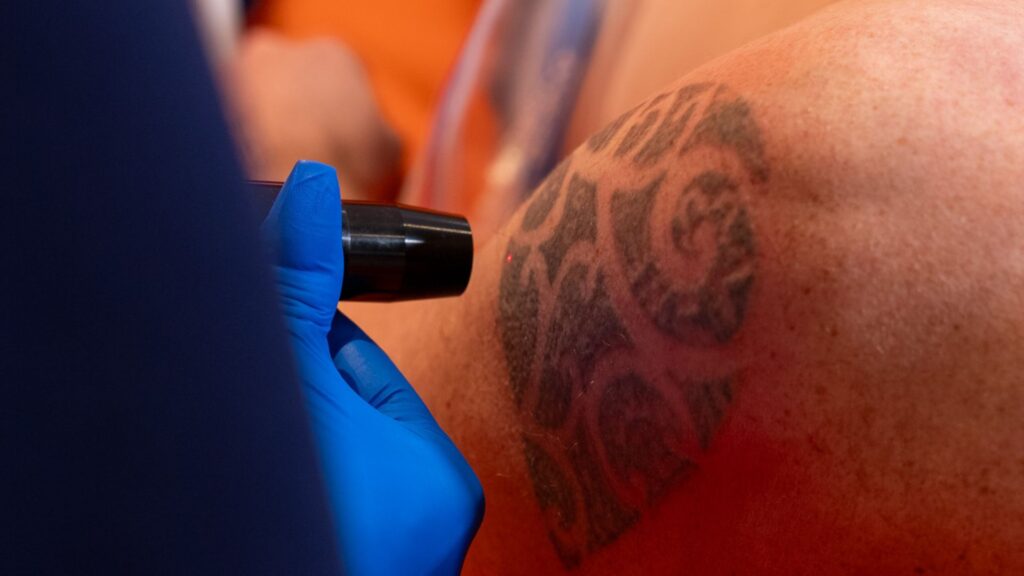
Laser tattoo removal is simple, safe, and produces fantastic results. The advanced technology works by allowing the light produced by the laser to pass through the skin and break up the tattoo ink into tiny particles. The body then disposes of these fragments via its immune system.
how does it work?
Tattoos consist of thousands of tiny particles of pigment (ink) that have been injected into the dermis, which are suspended in the skin. Normally, the healing process and cell turnover remove small foreign particles from the skin. However, tattoo pigment particles are too large to be removed during these natural processes.
Laser tattoo removal uses technology in which a high-powered, very short, pulsed beam of light is delivered at specific wavelengths—1064nm (nanometres), 755nm or 532nm. The beam passes through the skin and breaks up tattoo pigment particles of all colours and shades into smaller particles. These particles are then gradually eliminated through the body’s lymphatic system. Eventually, the tattoo fades in much the same way that a bruise fades over time.
pRE AND POST TREATMENT CARE
Pre-Treatment Care:
Avoid tanning or sun exposure, including sunless tanning, for two to four weeks before treatment. Shave the treatment area 24 hours prior. Refrain from using harsh irritants or exfoliating products on the tattoo area. Remove all makeup, lotion, and deodorant from the area before your session.
Post-Treatment Care:
Apply an ice pack or cold compress over the gauze bandage several times a day if needed to reduce bruising and swelling, which may last from one hour to seven days. Use the 100% Aloe Vera gel provided at your session to help prevent infection and ease discomfort. Avoid vigorous exercise, hot tubs, and saunas for two to seven days. Protect the treated area from sun exposure and use a minimum SPF 30 sunscreen for two months.
Seek immediate medical attention if the area shows signs of infection, such as honey-colored crusting, oozing, or spreading redness. Contact a doctor if you experience unusual discomfort, bleeding, fever, rash, difficulty breathing, or other severe reactions.
Is Laser Tattoo Removal Safe?
Yes, it is. When performed correctly by a certified, experienced laser technician, laser tattoo removal is both safe and effective. However, it is a clinical procedure. As such, there is a potential for associated risks.
As a professional laser tattoo-removal clinic, we will not perform any procedures without first assessing your complete medical history, your current health condition, and any potential you may have for complications. Lasers are our specialty and our technicians have years of experience working on a variety of medical lasers every day.
Am I Required To Have A Consultation & Undergo A Patch Test
Yes, we will book a complimentary* consultation appointment for you with one of our certified laser technicians prior to scheduling any laser tattoo-removal treatments. This is for your own protection, and we cannot make exceptions. At this time, you should also share with us any past experience you have had with laser skin treatments.
During your consultation, we will perform a patch test to rule out any adverse reactions. We will also address any concerns you might have at this time. You are responsible for informing your laser tattoo-removal technician of any medications or natural health products you are taking; and of any underlying medical conditions you have. These are critical details that we must consider when customizing your laser tattoo-removal treatments. Your first treatment can be scheduled 2 – 4 weeks after your patch test, at which time your technicain will determine your skin is completely healed prior to proceeding.
Will The Laser Completely Remove My Tattoo?
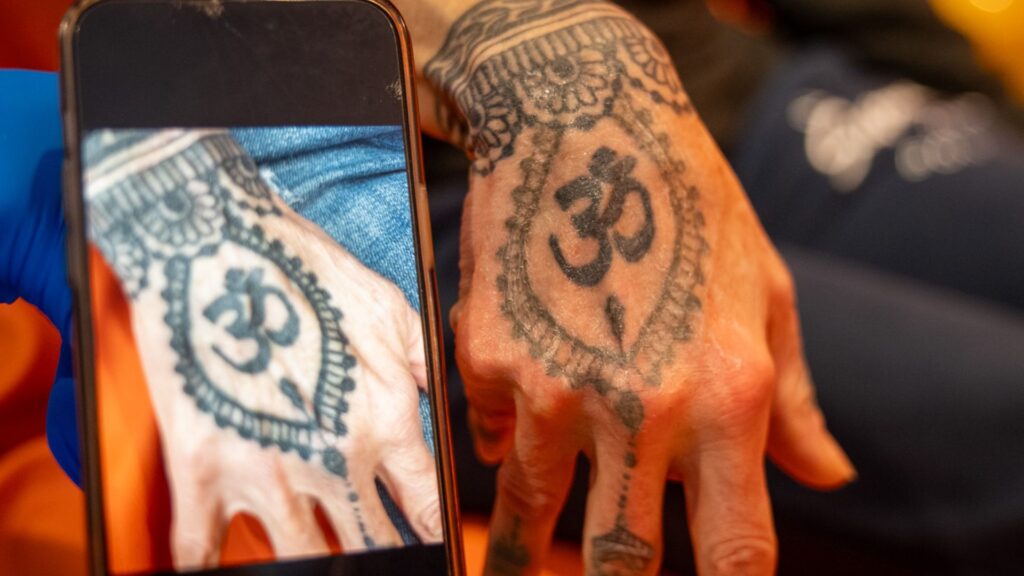
Most tattoos can be considerably diminished and many can be completely removed. Some tattoos can be removed more easily than others, depending on the following factors:
- Colour, quality, quantity and depth of pigment: Certain pigments—black, red and dark blue—respond better to the laser than do green, orange, and light blue or pink pigments. These lighter pigments can rquire more treatments to achieve your desired results. Professionally applied tattoos use ink intended to be permanent and can require more treatments than amatuer or medical tattoos.
- Age of the tattoo: Older, blurred tattoos that have migrated from their original site can be more difficult to remove.
- Location on the body: Tattoos on thinner-skinned areas—such as ankles or fingers—are more difficult to remove than those placed on thicker-skinned areas, such as the abdomen and shoulders.
Some areas may retain a shadow of the former tattoo, which will fade gradually. During your complimentary consultation, your certified laser technician will assess your tattoo and give you a more precise estimate of the number of treatments you will require.
Is Laser Tattoo Removal Painful?
It can be uncomfortable. People who have undergone laser tattoo-removal treatment compare it to the snap of an elastic band against the skin. However, we all experience pain differently and tolerance is a variable factor.
What Are The Possible Side Effects Of Laser Tattoo Removal?
Essentially, the removal of a tattoo involves creating a controlled medical burn with the laser. There is an immediate whitening of the treated area, which may last anywhere from several minutes up to several hours. Short-term side-effects can include: reddening, mild burning, temporary bruising and/or blistering.
Within 12-72 hours, your skin will likely scab or crust, and this can last for one to two weeks or more. Your skin can be pink or pale after the scab separates. We will discuss possible side-effects, and provide you with pre- and post-treatment care instructions before scheduling your laser tattoo-removal appointment.
How Many Treatments Will I Need?
Generally speaking, laser tattoo removal can require anywhere from three to twelve treatments. The number of treatments will depend upon: the age, size, colour, and location of the tattoo; and the type and depth of the ink pigment. Ideally, treatments will be scheduled from four to eight weeks apart to allow your body’s lymphatic system to flush out the dissolved pigment particles.